
Achilles Tendonitis (Back of Ankle)
Is pain or tightness in your heel or lower calf slowing you down? You might be experiencing Achilles tendonitis—an overuse injury that affects the tendon connecting your calf muscles to your heel bone. Left untreated, Achilles tendonitis can worsen, leading to chronic pain or even a partial tendon tear.
What is Achilles Tendonitis?
Achilles tendonitis occurs when the Achilles tendon becomes inflamed or irritated, usually due to repetitive strain or poor foot biomechanics. It’s especially common in runners, active individuals, or anyone who spends long hours on their feet.
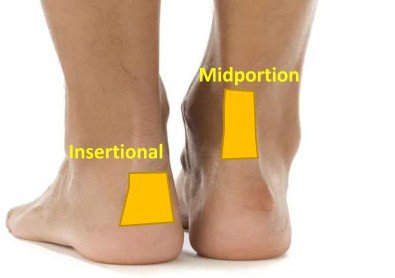
There are two main types:
Insertional Achilles Tendonitis – where the pain occurs at the heel bone
Mid-portion Achilles Tendonitis – pain is felt higher up, along the tendon
Symptoms of Achilles Tendonitis
Pain and stiffness in the back of the heel or lower calf, especially in the morning
Tenderness when touched
Swelling along the tendon
Discomfort during or after activity
Limited ankle flexibility
How We Treat Achilles Tendonitis
We begin with a detailed biomechanical assessment to understand what’s contributing to your condition. Based on this, your treatment may include:
Shockwave Therapy: Proven to stimulate tendon healing and reduce chronic pain. Especially effective for long-standing tendon issues.
Custom Orthotics: Orthotics redistribute pressure and correct any gait abnormalities placing extra load on the tendon.
Exercise Rehabilitation: We guide you through a safe and effective rehab program focused on calf and ankle mobility and strength.
Footwear Advice: Wearing the right shoes plays a key role in managing tendonitis. We offer personalised footwear recommendations and collaborate with local shoe stores for supportive options.
If conservative treatment fails, we can consider referring for to a sports Doctor or surgeon.
Differential Diagnosis: Is It Really Achilles Tendonitis?
Achilles pain can be caused by a variety of other conditions. During your initial assessment, we’ll carefully rule out other potential causes to ensure an accurate diagnosis and effective treatment.
Some common differential diagnoses include:
Retrocalcaneal Bursitis: Inflammation of the bursa (fluid-filled sac) located between the Achilles tendon and heel bone. This condition presents with similar pain near the heel but may include more pronounced swelling.
Achilles Tendon Tear or Rupture: A partial or full tear can result in sudden sharp pain, swelling, and difficulty walking. A rupture often follows a distinct "popping" sensation and may require surgical repair.
Insertional Achilles Tendinopathy with Calcification: In chronic cases, bone spurs and calcification may form where the tendon attaches to the heel. This condition can mimic standard Achilles tendonitis but is often more complex to treat.
Plantar Fasciitis: Pain typically occurs under the heel or arch rather than the back of the heel, but early morning pain can feel similar.
Posterior Ankle Impingement: Common in dancers and athletes, this condition involves compression of soft tissue at the back of the ankle during plantarflexion (pointing the foot).
Calcaneal Apophysitis (Sever’s Disease) in Children: Common in physically active children and adolescents aged 8-14 years, this condition causes heel pain due to irritation where the Achilles tendon inserts into the heel bone. It typically presents during growth spurts and can be mistaken for Achilles tendonitis in younger patients.