Bunions
Bunions are more than just a bump on your big toe—they can be painful, restrict your movement, and make it hard to find comfortable shoes.
What is a Bunion?
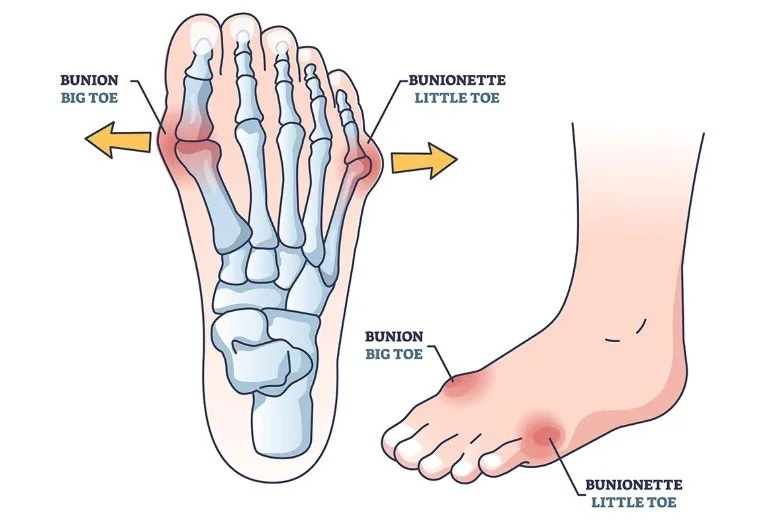
A bunion, or hallux valgus, is a bony bump that forms at the base of the big toe joint. It occurs when the big toe drifts toward the second toe, causing the joint to protrude outward. Over time, bunions can worsen and lead to pain, osteoarthritis, joint stiffness, and deformity.
Podiatrists cannot correct bunions once they have formed, but we can help to slow down the progression of them getting worse and reduce pain.
What Causes Bunions?
Genetics – Family history is a major risk factor
Foot structure – Flat feet or hypermobile joints
Ill Fitting Footwear – Tight, narrow, or high-heeled shoes
Arthritis – Especially rheumatoid arthritis
Injury or biomechanical issues – Poor walking patterns or muscle imbalances
Common Symptoms
A visible bump on the side of the big toe or little toe
Swelling, redness, or tenderness around the big toe joint
Pain when walking or wearing shoes
Limited range of motion in the big toe
Callus or corns between the big toe and second toe
How We Treat Bunions at Stride Footcare
Bunion management doesn’t always mean surgery. Our goal is to reduce pain, slow the progression, and keep you moving comfortably:
Custom Foot Orthotics: Orthotics help redistribute pressure across the foot, reduce joint strain, and may slow the bunion’s progression.
Footwear Advice: We assess your foot shape and gait to recommend shoes that provide room, support, and comfort—whether for everyday wear or work.
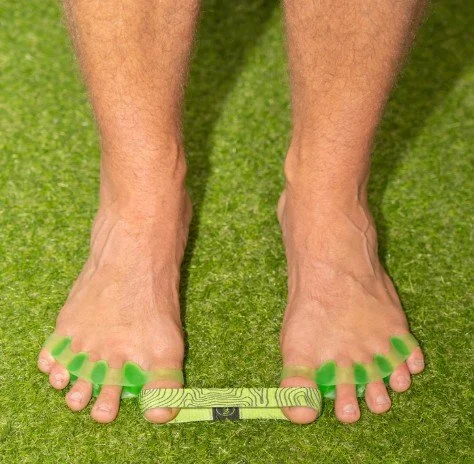
Pain Relief Strategies: We may recommend padding, strapping, joint mobilisation, toe separators, or shockwave therapy to manage flare-ups or pain.
Toe Spacers: Strengthen the intrinsic muscles of the feet to slow down the progression of bunions
Referral for Surgery (If required)
If your bunions are severe or conservative treatment isn’t helping, we can refer you to a trusted podiatric surgeon for further care.